
Image

Elizabeth Horn
Blue Cross Blue Shield of Michigan Cardiovascular Consortium (BMC2) Heart Failure, a new population health-based quality improvement program, will strive for improved clinical outcomes, lower healthcare costs, and sustainable impact for Michigan patients with heart failure, their medical teams, and the insurance payers who support their care.
The Problem
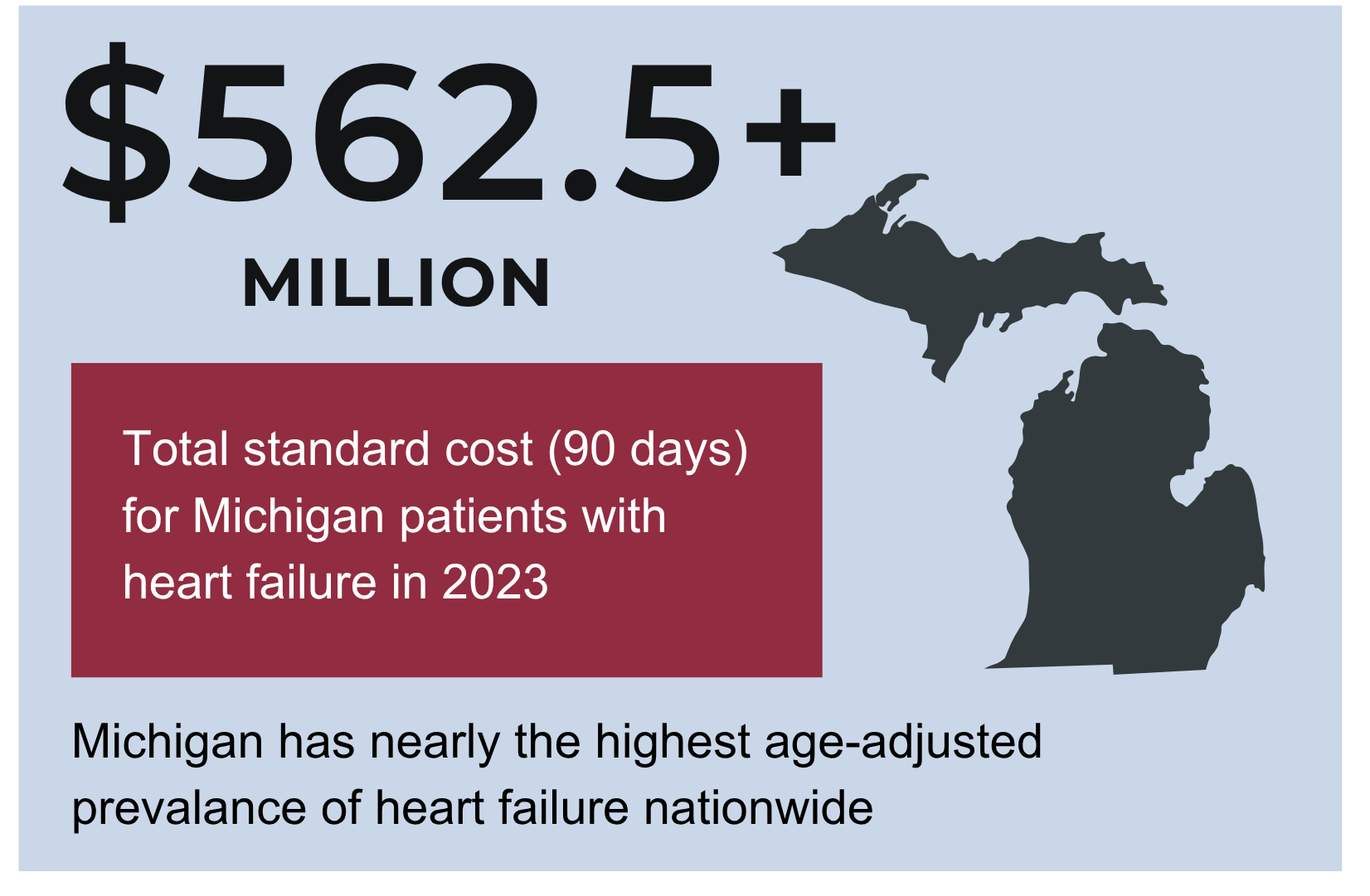
Over 7 million American adults have heart failure (HF), and prevalence is expected to rise to over 10 million by 2040. One in four individuals will develop HF in their lifetime, and Michigan has one of the highest rates of HF in the nation. In 2023, the standard 90-day cost for Michigan patients with HF exceeded $562.5 million, driven by medical costs such as hospitalizations.
The Clinical Solution
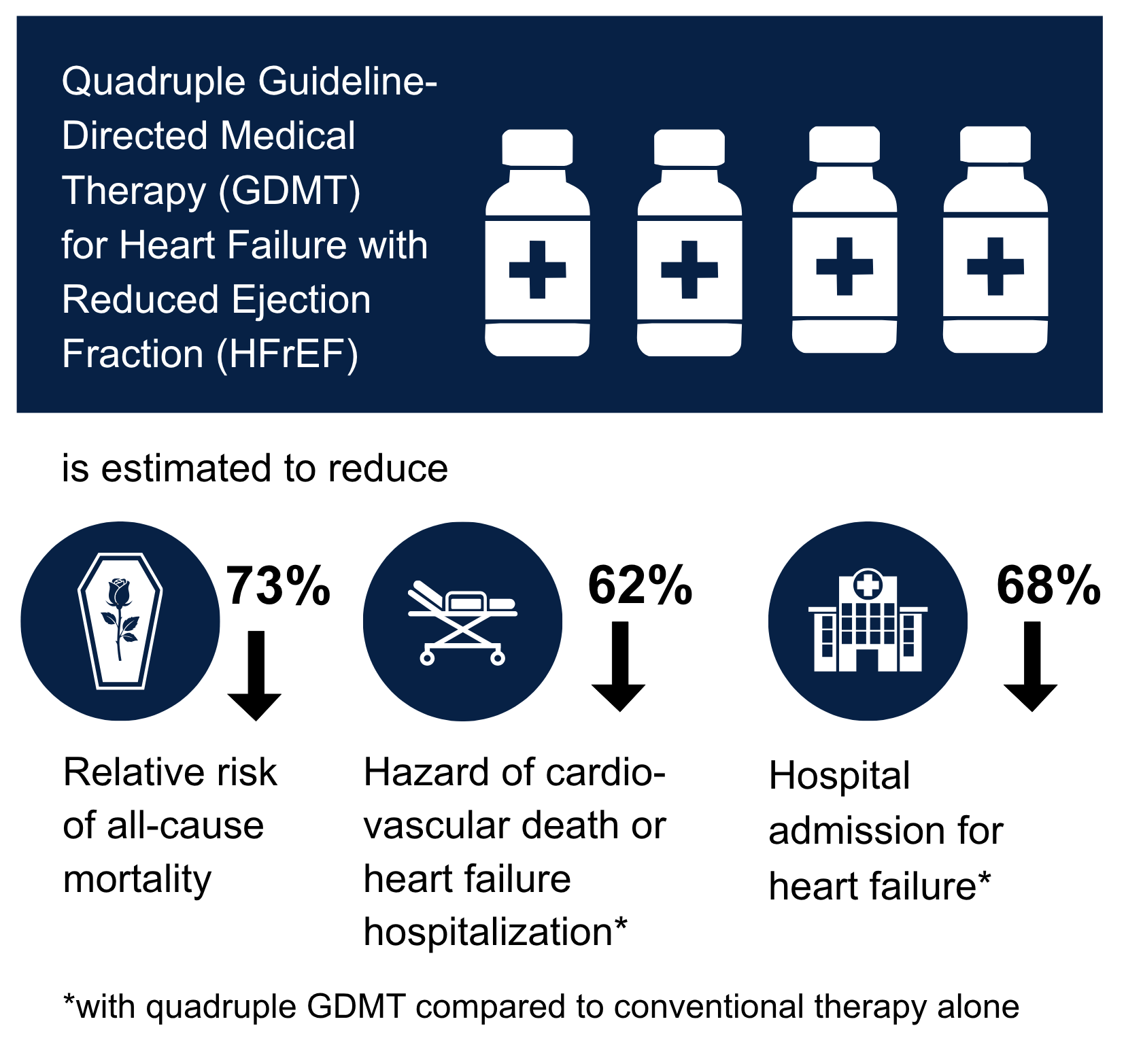
Safe and appropriate prescribing of a quadruple guideline-directed medical therapy is best practice for patients with heart failure with reduced ejection fraction (HFrEF), a condition in which the left ventricle's pumping function is weakened.
Patients receiving this therapy, compared to conventional therapy alone, experience a decrease in their relative risk of all-cause death, a reduction in cardiovascular death or heart failure hospitalization, and fewer hospital readmissions for heart failure.
Despite these overwhelming benefits, few patients with HF are taking all four medication classes. Additionally, these medications are frequently underdosed, with many patients not receiving optimal doses (i.e., doses demonstrated to improve outcomes in clinical trials). In one study, only 6.2% of patients were on optimal quadruple therapy within 12 months of HFrEF diagnosis.
This reflects barriers to care at multiple levels, many of which the program hopes to identify and help address.
Assembling BMC2 Heart Failure
Jessica Golbus, MD, MS, a Heart Failure and Transplant cardiologist and expert in outcomes research and clinical trials, will lead the overall implementation of the program and oversee its quality improvement efforts as the program’s director.
“BMC2 Heart Failure will leverage the structure and expertise of the BMC2 Collaborative Quality Initiative in a new population health approach,” Dr. Golbus explained. “It will also partner with existing physician organizations within the Blue Cross Blue Shield of Michigan Physician Group Incentive Program to improve outcomes through cross-center, multidisciplinary collaboration.”
Mike Dorsch, PharmD, MS, an expert in clinical informatics and patient decision aids, will lead the data strategy, developing a data pipeline with actionable reporting for specialists and physician organizations alike.
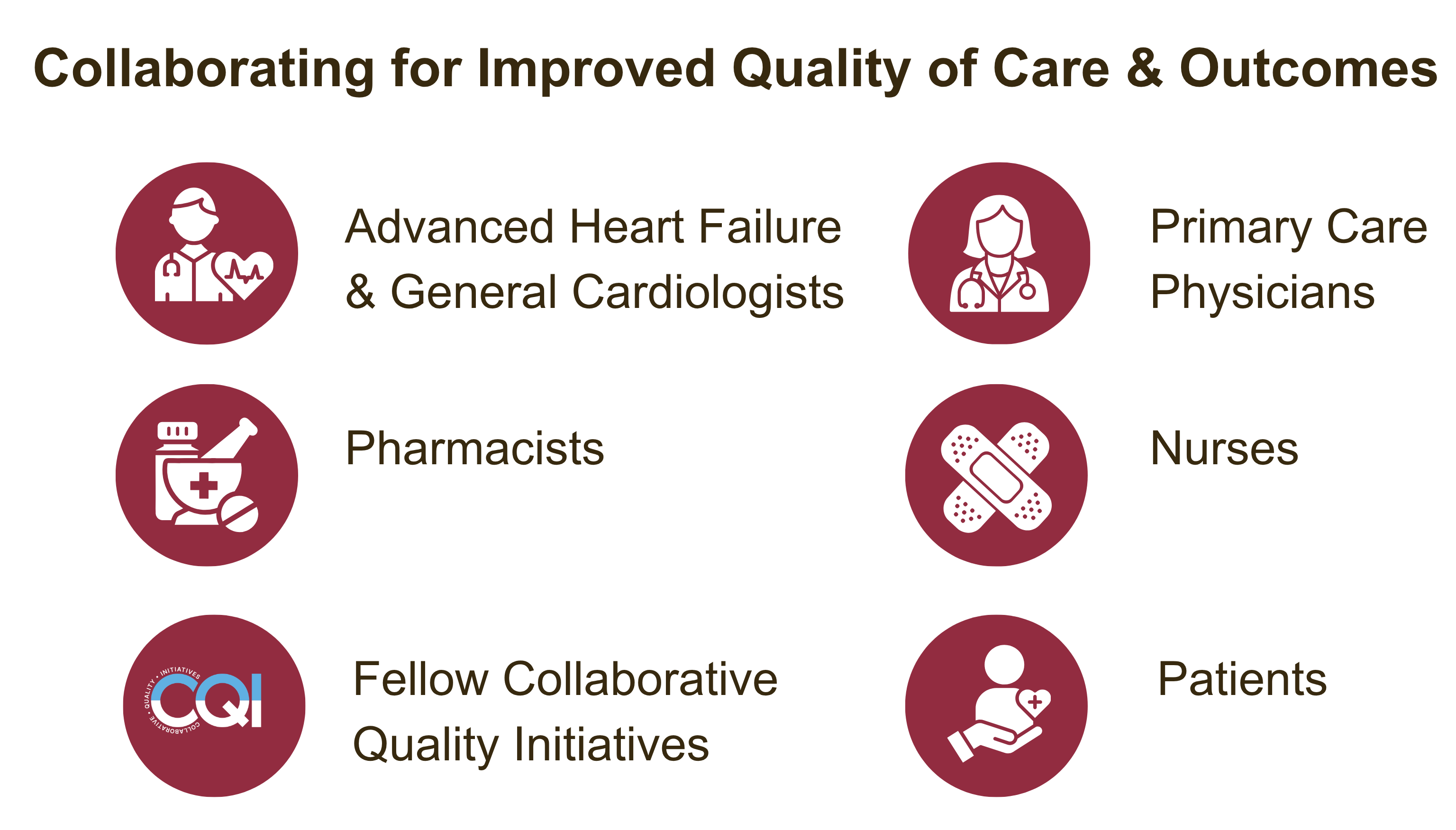
BMC2 Heart Failure will assemble a stakeholder advisory panel including advanced heart failure and general cardiologists, pharmacists, primary care physicians, nurses, and patients.
Year One Efforts
During its initial phase, the BMC2 Heart Failure Quality Improvement Program will focus on identifying and onboarding a small set of BMC2 Heart Failure-participating sites, finalizing a data strategy, developing performance measures, and collecting data. In subsequent years, the program will expand to include additional participating sites, an expanded set of performance measures, and patients with additional types of heart failure.
Strategies and Impact
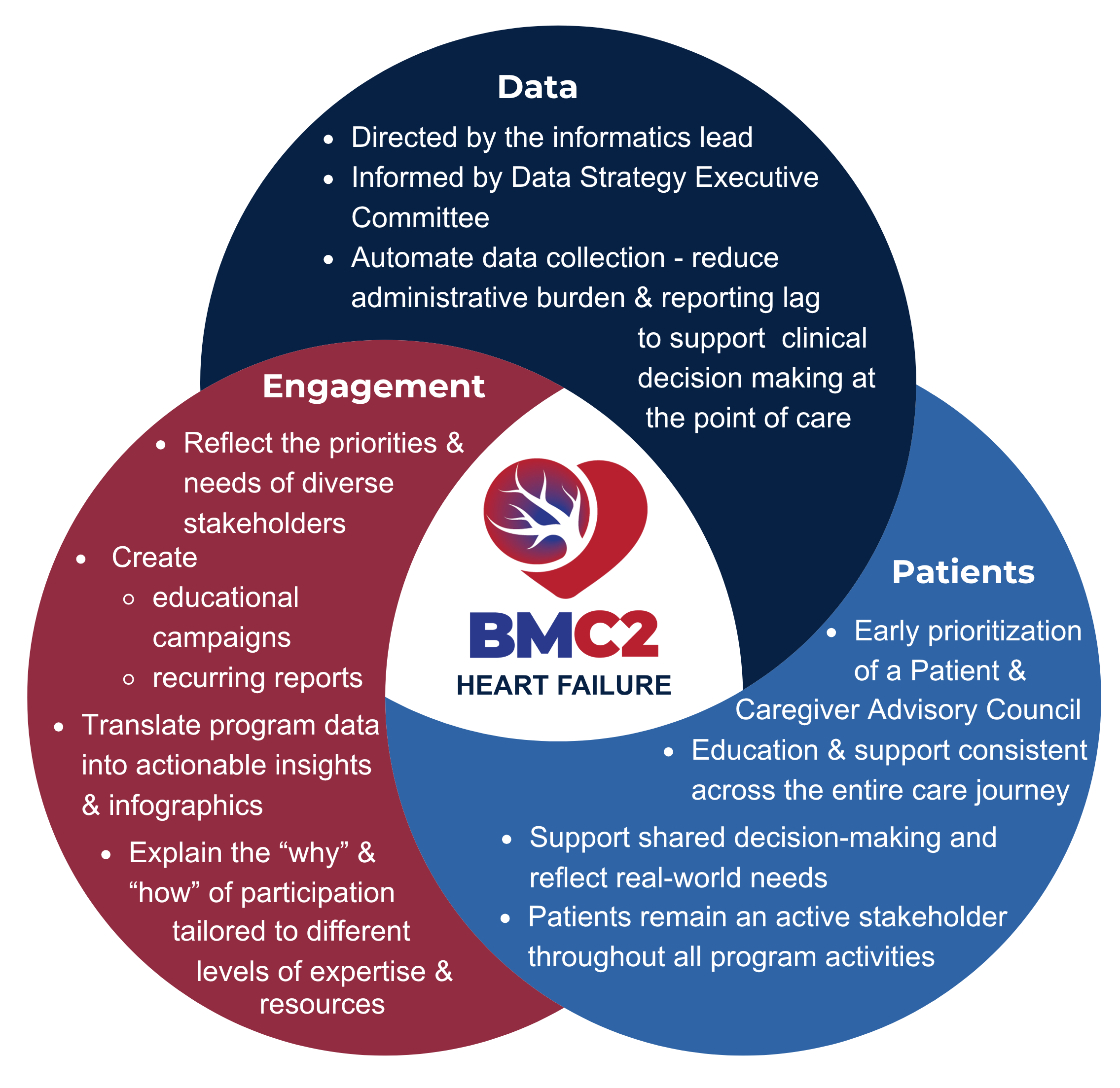
BMC2 Heart Failure will utilize data, engagement, and patient strategies to create a profound impact:
- Improve patient outcomes by reducing HF hospitalizations and readmission rates
- Collaborative learning and expanded partnership, reach, and impact
- Cost reduction via BMC2’s proven model of collaborative quality improvement
- Data-driven impact enabling rapid-cycle improvement
Nick Osborne, MD, MS, BMC2’s Program Director and Director of BMC2 Vascular Surgery, said, “Establishing BMC2 Heart Failure launches an exciting new era. We are building on BMC2’s 30-year-long impact in the procedural space to now take a novel approach to a chronic disease that affects so many patients. Under Dr. Golbus’ leadership, we look forward to improving quality of care and outcomes for patients not only here in Michigan, but across the nation and world.”
Dr. Faris Ahmad, BCBSM Senior Medical Director and Associate CMO, states “Heart failure remains a major and costly challenge in healthcare, demanding a shift from acute care to coordinated, population-based strategies. The BMC2 Heart Failure Quality Improvement Program, funded by BCBSM, aims to close treatment gaps, reduce preventable hospitalizations, and improve patient outcomes. By fostering evidence-based care and support, this initiative promises greater quality, lower costs, and a healthier future for all.”
The BMC2 Heart Failure Initiative is planned to go-live Q1 2027.
About the CQI Program
Collaborative Quality Initiatives and Collaborative Process initiatives bring together Michigan physicians and hospital partners to address common and costly areas of medical-surgical care, BCBSM and Blue Care Network supports this effort and funds each collaborative data registry, that include data on patient risk factors, processes, and outcomes of care. Collection, analysis, and dissemination of such data helps inform participants on best practices. This, in turn, helps increase efficiencies, improve outcomes, and enhance value. For more information, please contact the BCBSM CQI team at CQIprograms@bcbsm.com.
About BMC2
BMC2 is a Collaborative Quality Initiative made up of three prospective, multicenter registries: Percutaneous Coronary Intervention (PCI), Vascular Surgery (VS), and Michigan Structural Health Consortium (MISHC). BMC2’s coordinating center – housed at Michigan Medicine – collects and analyzes comprehensive clinical data from participating hospitals and practices to identify specific care components associated with better patient outcomes. It uses these analyses to examine practice patterns, generate new knowledge linking processes of care to outcomes, and identify best practices and opportunities to improve quality and efficiency. The center also supports participants in establishing quality improvement goals and in disseminating and implementing best practices, from local to broader communities.
Learn more at bmc2.org/heart-failure.